Scalp:TheSkincareYou'reMissing
Your scalp is skin — it ages, dries, and clogs like your face does. Why every hair goal starts at the scalp, and how to build a simple weekly scalp routine.
- Author
- The Ghori Editorial
- Filed under
- Ritual
- Length
- ≈ 500 words
- Sections
- 3 sections
Direct answer
The premise, stated plainly before we open the archive.
“You would never wash your face with whatever was on sale, skip moisturiser for a decade, and expect glowing skin. Yet that is precisely how most people treat the skin on top of their head — and then wonder why their hair is thinning, dull, or slow to grow.”
The garden logic
Here is the reframe that changes everything: your scalp is not the floor your hair grows out of. It is skin — living, ageing, oil-producing skin with one of the densest concentrations of follicles, blood vessels, and sebaceous glands anywhere on your body. And every strand of hair you will ever grow spends its formative weeks entirely inside it.
Dermatologists like to say you cannot grow healthy plants in poor soil. A follicle is a tiny organ, and like any organ it depends on its environment: circulation to deliver nutrients, a balanced lipid barrier to hold moisture, and freedom from the chronic low-grade inflammation that comes with buildup, harsh washing, and neglect. Research on hair loss increasingly points to scalp condition — oxidative stress, microinflammation, barrier damage — as a meaningful factor in how full and healthy hair looks over time.
The practical translation: the products you rub into your lengths can only decorate hair that has already been built. If you want to change the hair itself, you work upstream, at the scalp — while the strand is still being made.
What a scalp routine actually looks like
The good news is that scalp care borrows everything from skincare, and none of it is complicated.
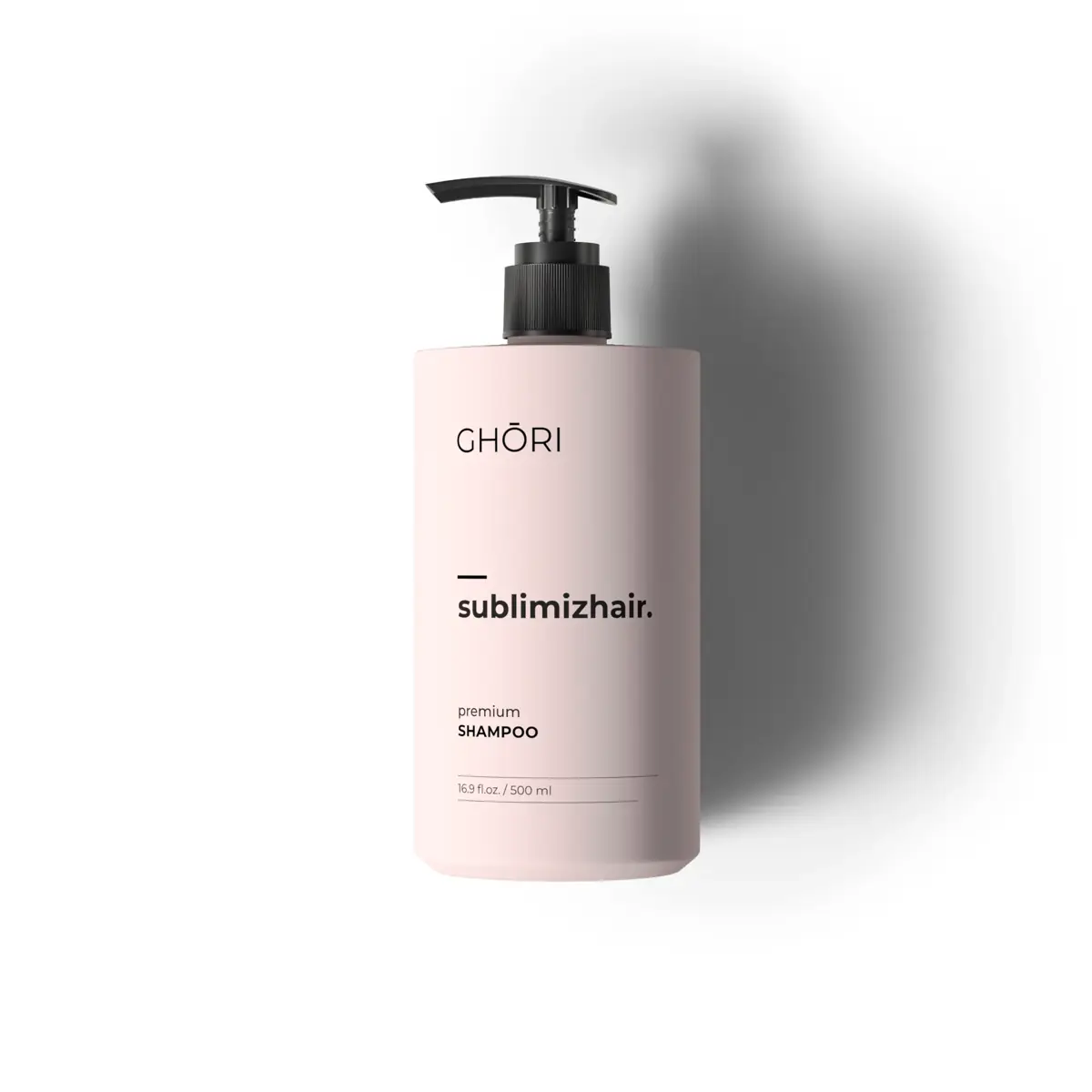
Cleanse like you mean it, gently. A pH-balanced shampoo in the scalp's natural range of roughly 5.5–6.5 removes sebum, sweat, and pollution without stripping the barrier. Massage it into the scalp itself for a full minute or two — most people lather their hair and barely touch the skin underneath.
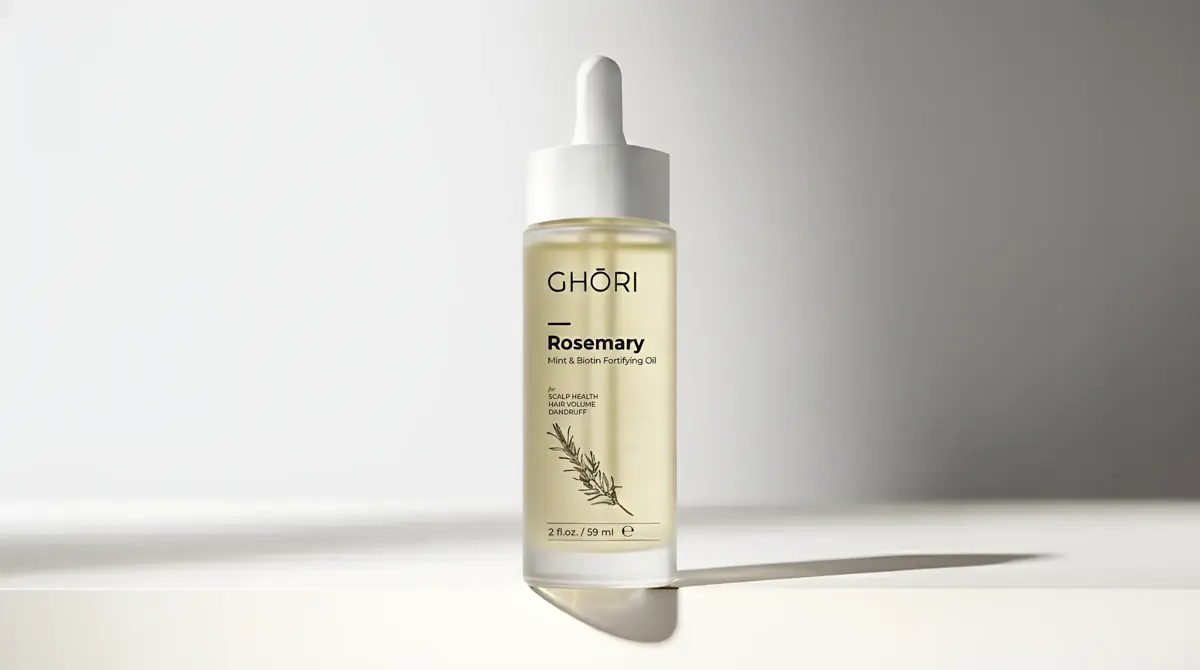
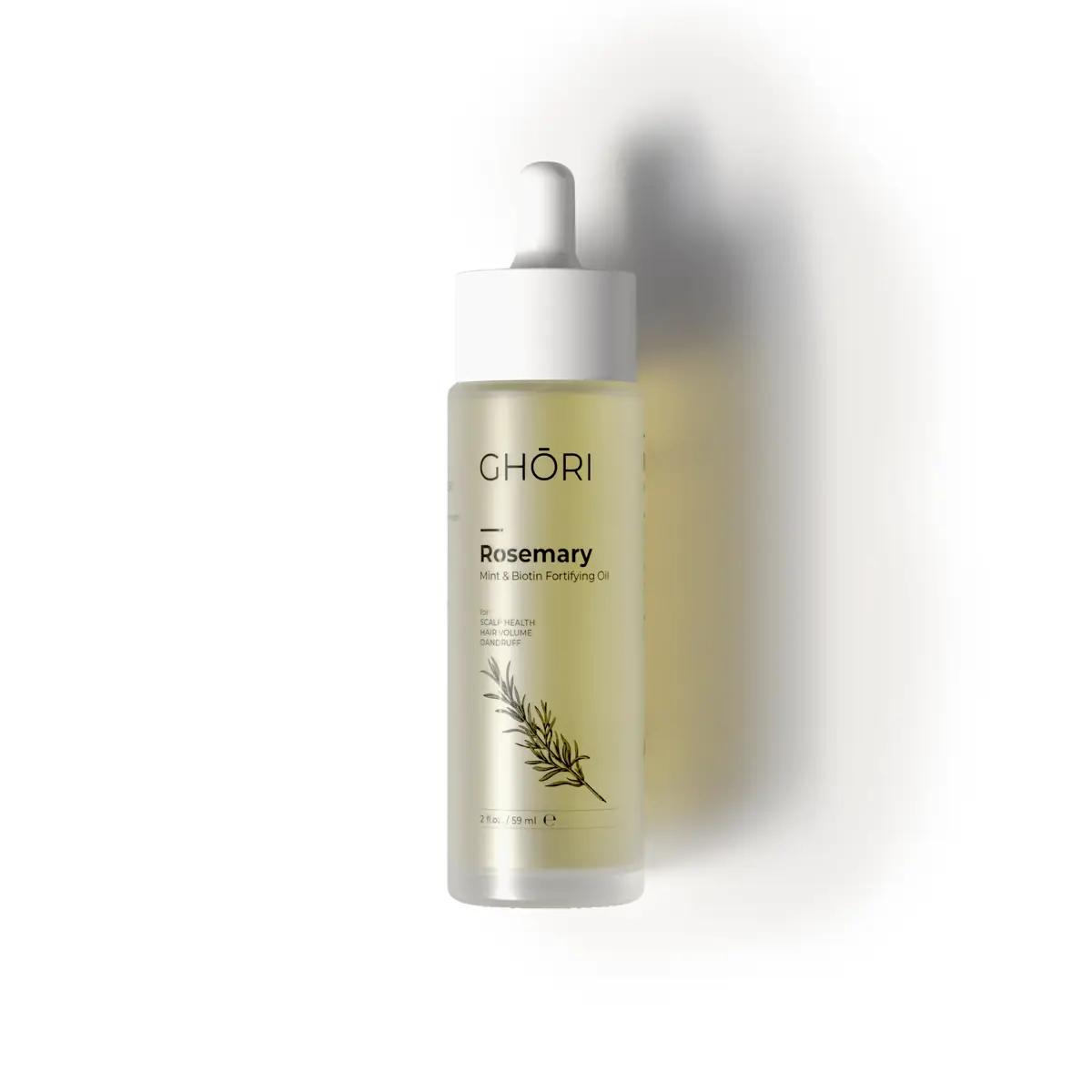
Treat, the way you'd use a serum. Two or three evenings a week, part dry hair into sections and massage a few drops of a scalp-focused oil directly into the skin. Rosemary oil is the standout here — it boosts microcirculation to the follicle, and it's why our Rosemary, Mint & Biotin Fortifying Oil is applied with a dropper, at the roots, rather than smoothed over the lengths. The three minutes of fingertip massage matter almost as much as the formula: pressure is circulation, and circulation is nutrition.
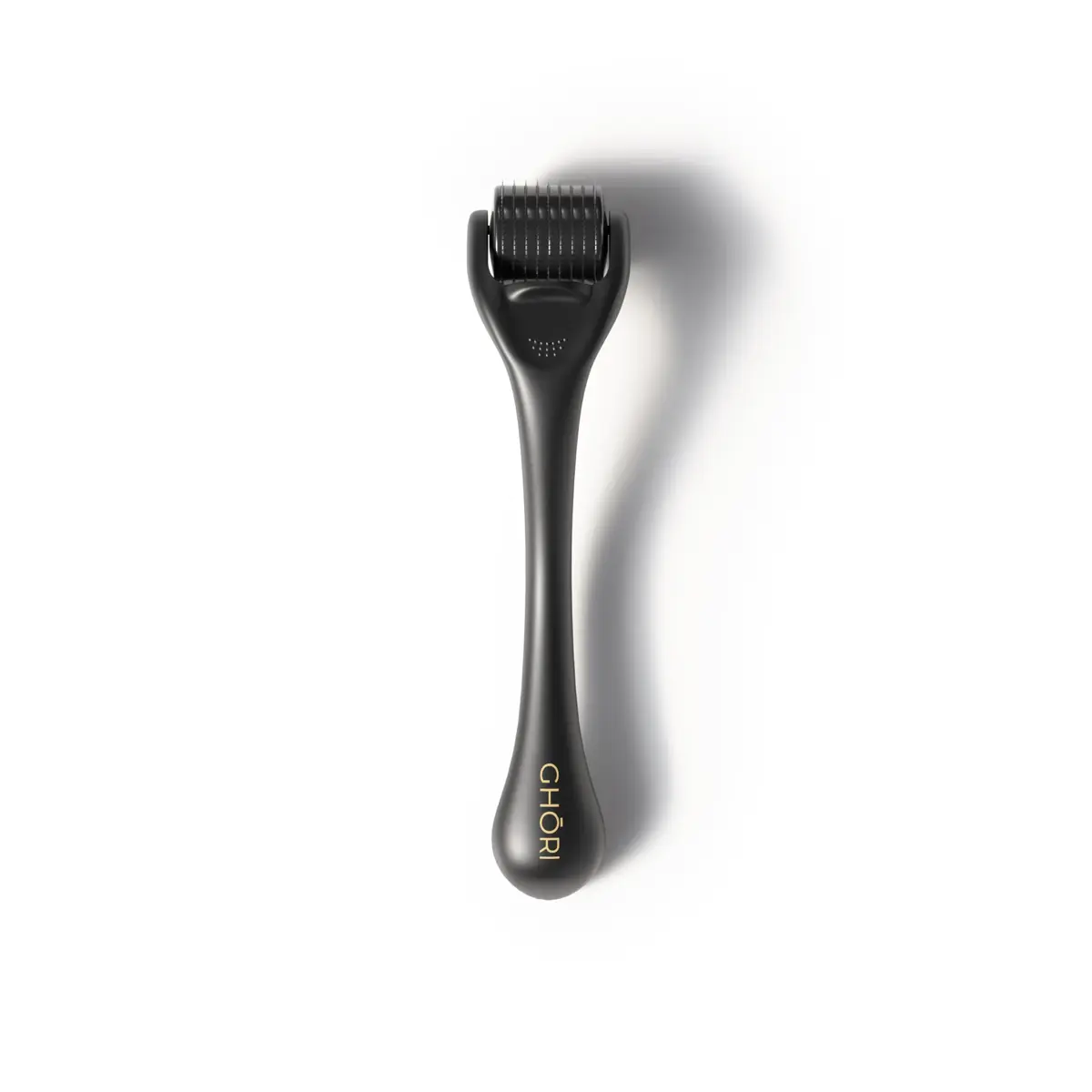
Exfoliate the smart way. On skin, we exfoliate to renew; on the scalp, microneedling does something similar and more. A derma roller passed gently over the scalp once or twice a week creates thousands of painless micro-channels that trigger the skin's renewal response and dramatically improve how well anything applied afterwards absorbs. Roll first, oil second — the order is the ritual.
Protect what you've built. Sun, tight hairstyles, scalding water, and aggressive towel-scrubbing all tax the scalp the same way they'd tax the skin on your face. Treat it with the same courtesy.
Start upstream
Give the routine eight weeks — the length of time it takes newly built hair to show above the surface — and judge the results in the mirror, not the marketing. Great hair has never really been about hair. It has always been about the two square feet of skin nobody moisturises.
Editor's note
Continue the ritual: Sublimizhair Natural Premium Shampoo · Rosemary, Mint & Biotin Fortifying Oil · Derma Roller
— The Ghori Editorial
Formulas from this dispatch
Take it to the shelf
Circulate the dispatch
If a friend has asked the same question, hand them the answer.
Continue reading