HowtoUseaDermaRollerforHair:TheCompleteGuide
Microneedling the scalp, done properly: technique, frequency, hygiene, what to apply afterwards, and the mistakes that undo the benefits.
- Author
- The Ghori Editorial
- Filed under
- Ritual
- Length
- ≈ 300 words
- Sections
- 4 sections
Direct answer
The premise, stated plainly before we open the archive.
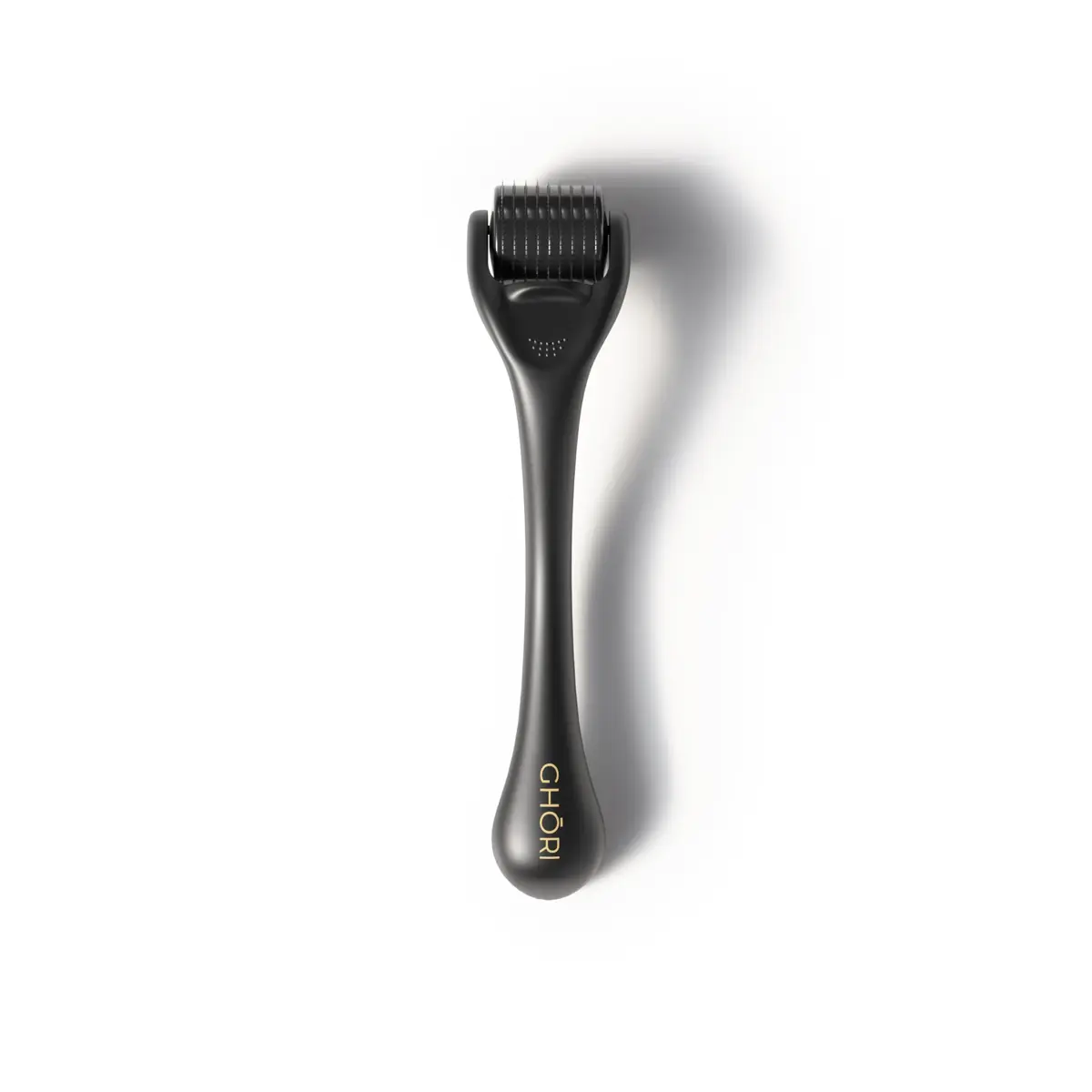
“Microneedling began in dermatology clinics as a skin-rejuvenation treatment. Then researchers noticed something: patients microneedled on the scalp grew hair better — especially when the rolling was combined with topical treatments. The tool that brings this home is the derma roller, and used correctly, it is the highest-leverage five minutes in a hair routine. Used carelessly, it's a way to irritate your scalp. The difference is technique.”
Why rolling works
Microneedling creates small punctures in skin. Some clinical studies have investigated supervised microneedling alongside medicines for diagnosed hair loss; those results do not establish safety or efficacy for a home roller used with cosmetic oils. Increased penetration can also increase irritation. Seek professional advice and never apply essential oils to freshly needled skin.
The technique, step by step
Start with a clean, dry scalp and a sanitised roller — spray the head with an alcohol-based sanitiser and let it air-dry before you begin.
Section your hair to expose the areas you're targeting, typically the crown, temples, or anywhere thinning. Roll with light pressure — the roller's weight plus a whisper more. It should feel like a prickle, never pain. Pain means too much pressure.
Work each area in a star pattern: four to five passes vertically, four to five horizontally, four to five diagonally. Lift the roller at the end of each pass rather than dragging it back — dragging tears rather than punctures. A full scalp session takes under five minutes.
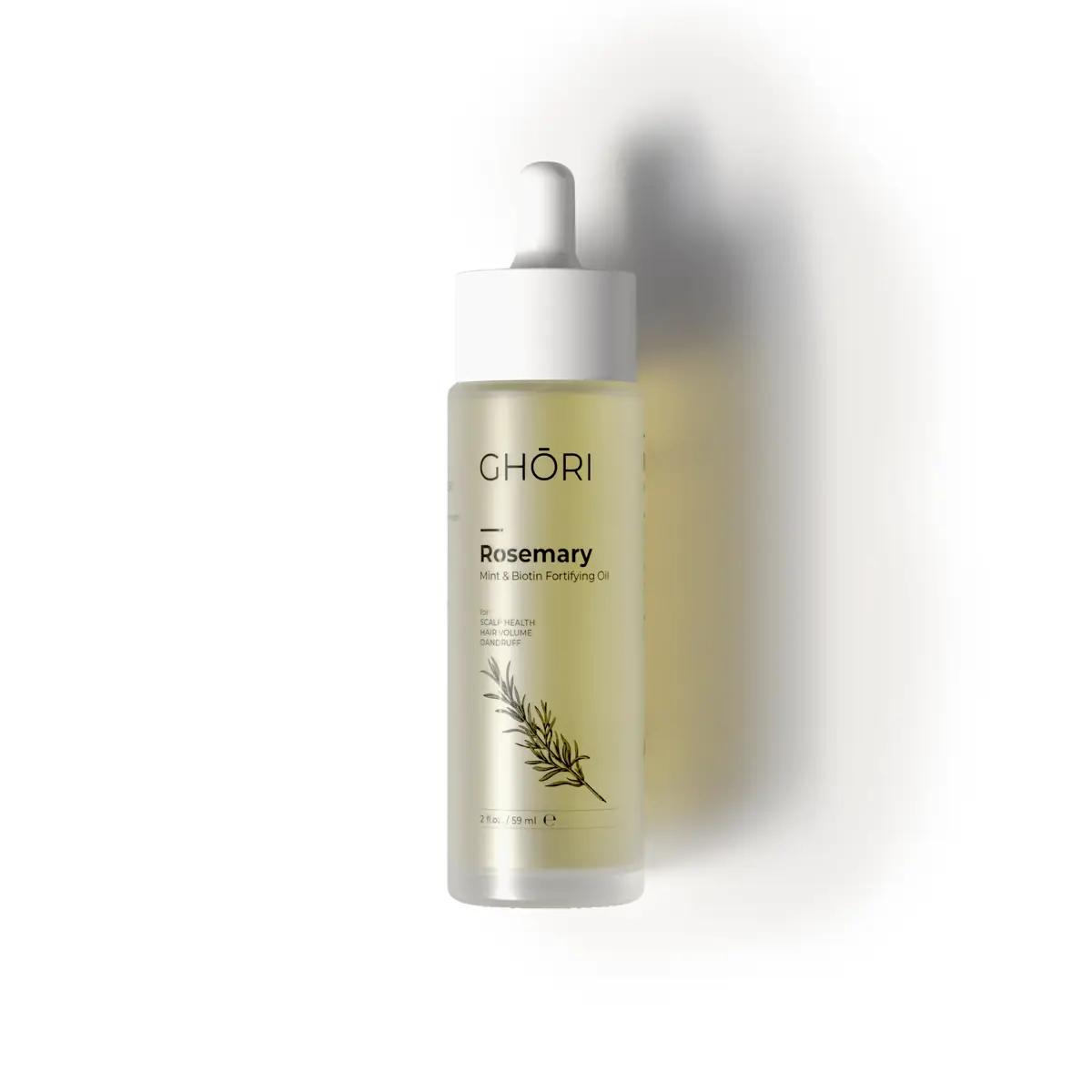
Do not apply essential oils or fragranced cosmetics immediately after rolling. Let the scalp recover and ask a qualified professional about timing. On a separate day, a conditioning oil such as Rosemary, Mint & Biotin, may be used according to its label on intact skin. Increased absorption after microneedling can also increase irritation and is not a reason to apply cosmetic oils to freshly treated skin.
Frequency and hygiene
Follow the supplied instructions and a qualified clinician's advice on frequency. Skin needs time to recover; more sessions are not necessarily better. Clean the tool before and after use, let it air-dry and store it carefully. Never share it and replace damaged needles immediately.
The mistakes that undo everything
Do not roll over irritated, broken or infected skin, press hard, share the tool or apply essential oils immediately afterwards. Stop if you experience pain, bleeding or irritation. A home roller is not a guaranteed hair-growth treatment; persistent or sudden shedding needs medical assessment.
Editor's note
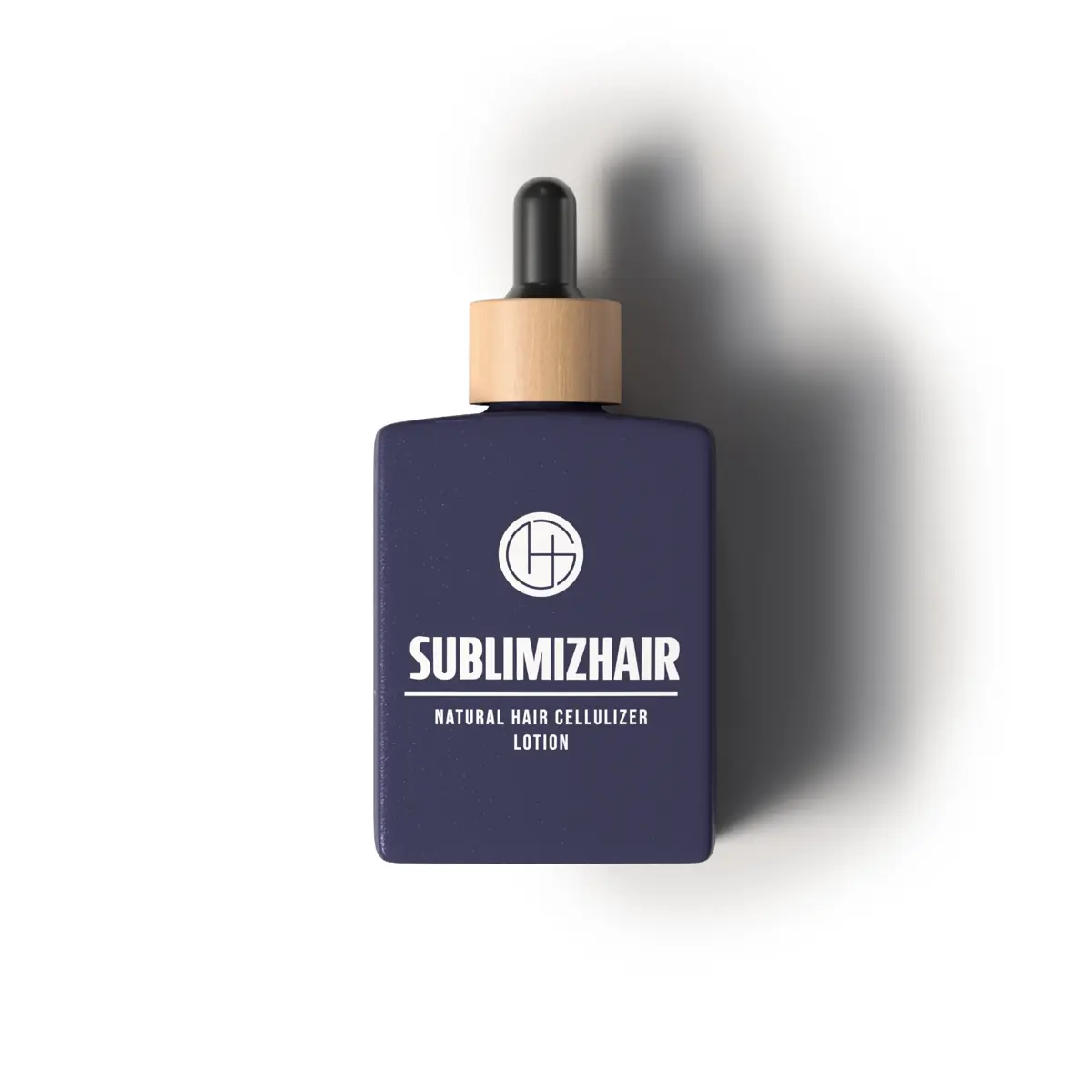
Continue the ritual: Derma Roller · Rosemary, Mint & Biotin Fortifying Oil · Sublimizhair Hair Serum
— The Ghori Editorial
Formulas from this dispatch
Take it to the shelf
Circulate the dispatch
If a friend has asked the same question, hand them the answer.
Continue reading