Hydrolyzed Keratin
Plant-fermented hydrolysed protein
The same protein hair is made of — pre-cut to slip inside a damaged cortex.
Region
South Korea
Form
Amber liquid (aqueous)
Shelf
24 months refrigerated post-manufacture
Class
Peptide/Protein
Key finding
500–1000 Da
Molecular weight — small enough to penetrate the hair cortex
The brief.
Origin
Bio-fermented in a South Korean biotech facility using a plant-derived amino-acid feedstock. Cruelty-free, vegan, and dermatologist-tested.
Extraction
Enzymatic hydrolysis cleaves the parent protein into low-molecular-weight peptides (500–1000 Da) small enough to diffuse through the cuticle into the cortex — larger fragments only coat the surface.
Sustainability
Fermented from plant sugars, so no animal by-product supply chain. The Korean facility recycles enzyme-hydrolysis water 6× per batch.
How it works.
Chemical services, heat, and UV cleave the disulfide and peptide bonds inside your cortex, leaving porous holes. Hydrolysed keratin's low molecular weight lets it slip inside those gaps and re-form bonds with your native protein — literally reconstructing the strand from the inside out.
Delivers
- 01Rebuilds internal protein bonds broken by heat, colour, or chemical services
- 02Restores tensile strength — measurably less breakage per brush stroke
- 03Fills porosity gaps left by high-lift bleach
- 04Improves shine and colour retention
Molecular signature.
The bio-active constituents that make Hydrolyzed Keratin work — with standardised percentages where measured by HPLC.
- 01
Cysteine
Sulfur-bearing amino acid that reforms disulfide bonds — the strand's structural anchors.
- 02
Glutamic Acid
Provides negative charge that binds to the strand's positive damage sites.
- 03
Serine + Threonine
Hydroxyl-bearing amino acids that hold water inside the cortex.
Signal profile.
Six-axis assay
A living profile — the vectors that make Hydrolyzed Keratin.
- Evidence74
2 peer-reviewed sources
- Potency100
Standardised at 500–1000 Da
- Safety62
Requires patch test
- Heritage80
Documented across 3 traditions
- Sensory64
Peptide/Protein profile
- Sourcing78
Traceable provenance
Heritage.
The record
Keratin's use in hair care began in the 1980s Brazilian salon industry — the infamous 'keratin treatment' relied on formaldehyde to force protein into the strand. Modern hydrolysed keratin (developed in the 2000s in Japan and Korea) replaces the harsh crosslinker with pre-cut peptides that diffuse in naturally.
Traditional use
Silk-protein hair masks in East Asian dynastic beauty; horn/hoof powder dusts in medieval European hair pomades — both early recognitions of keratin's affinity for damaged strands.
Naturally found in
- Naturally the main protein of hair, nails, hooves, and feathers
- Bio-fermented from plant sugars (our source)
- Also produced from wool and feather waste in some brands
Field → phial.
Every gram of Hydrolyzed Keratin passes five gates before it enters a Ghori formula. No shortcuts, no re-labels — the paper trail runs from soil to seal.
- 𖤣01
Stage 01
Harvest
Bio-fermented in a South Korean biotech facility using a plant-derived amino-acid feedstock. Cruelty-free, vegan, and dermatologist-tested.
- ❋02
Stage 02
Extract
Enzymatic hydrolysis cleaves the parent protein into low-molecular-weight peptides (500–1000 Da) small enough to diffuse through the cuticle into the cortex — larger fragments only coat the surface.
- ◇03
Stage 03
Assay
HPLC-verified. 500–1000 Da standardised for molecular weight — small enough to penetrate the hair cortex.
- ◉04
Stage 04
Formulate
Optimal 1%–3% in leave-in and rinse-off formulas.
- ⌘05
Stage 05
Deliver
Stable 24 months refrigerated post-manufacture. Sealed under nitrogen where required.
Best for. Pairs with.
Best for
- ◆Bleached, coloured, or chemically relaxed hair
- ◆Heat-styled hair with mid-length breakage
- ◆Anyone whose ponytail feels 'gummy' when wet — a classic protein-loss signal
Pairs well with
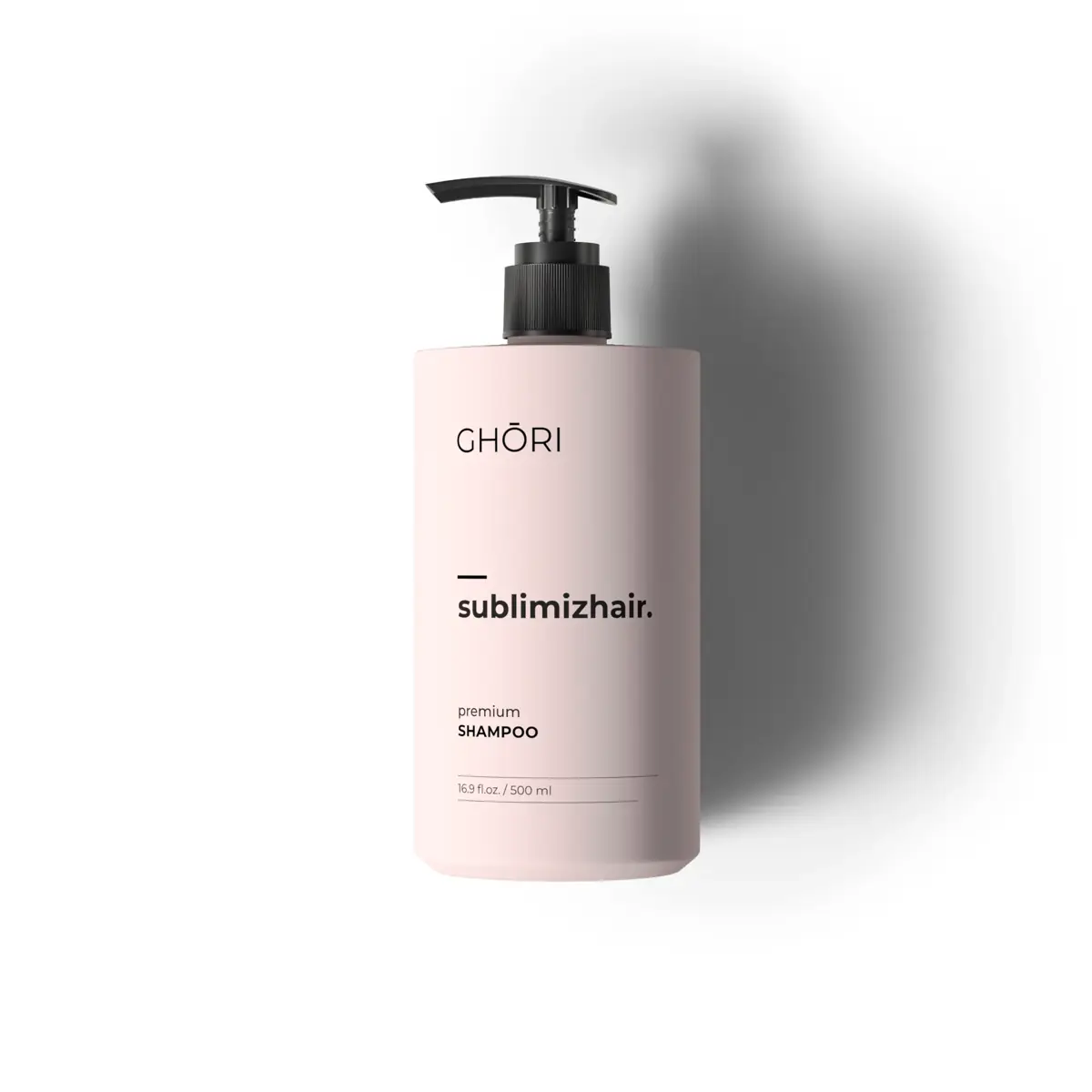
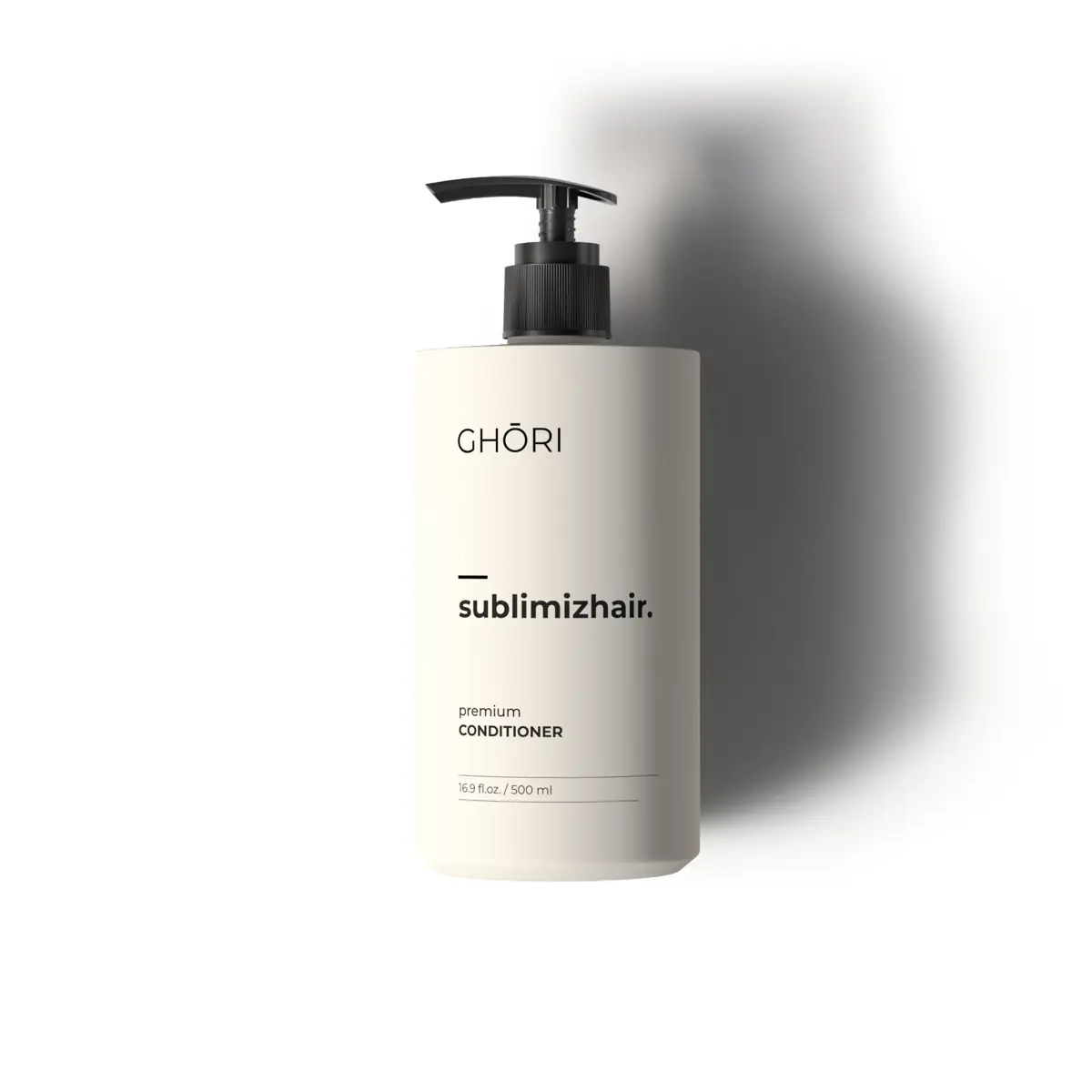
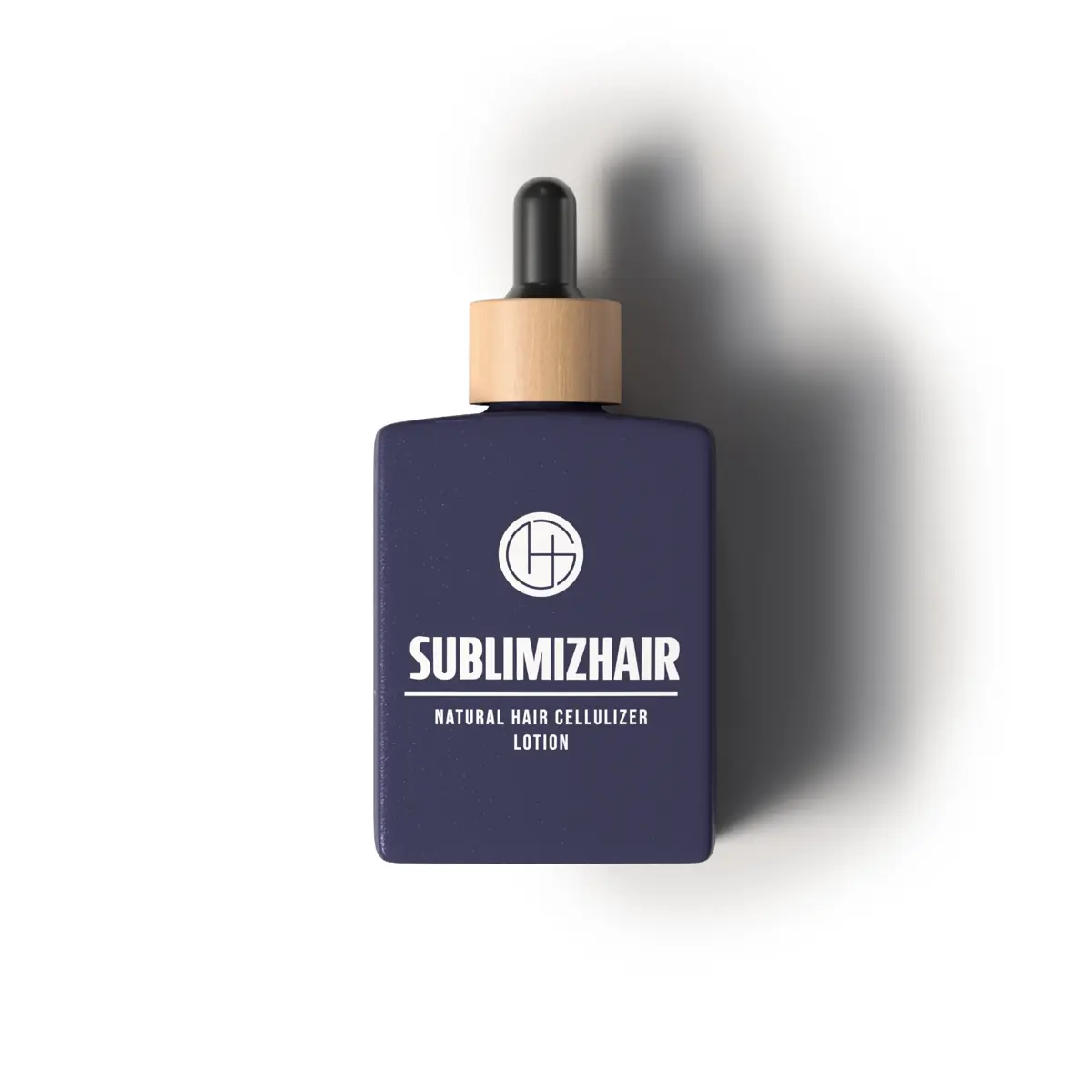
In 3 formulas.
People often ask.
Is your keratin vegan?
Yes. We use a plant-fermented keratin analogue with the same amino-acid profile as animal-sourced keratin.
How often should I do a keratin treatment?
For damaged hair, weekly. For healthy hair, once a month is plenty — protein overload hardens the cuticle.
Will hydrolysed keratin straighten my hair?
No — this is not the formaldehyde-based salon treatment. It rebuilds strand strength without changing curl pattern.
The paper trail.
- [01]Villa AL, et al. BMC Biotechnol. 2013 — Feather keratin hydrolysates for hair regeneration.
- [02]Basit A, et al. J Cosmet Dermatol. 2018 — Impact of hydrolysed keratin on hair fibre tensile strength.
More in Peptide/Protein
Continue the dossier.
- 🇰🇷Barrier restoration
Ceramide Complex
Ceramide NP, AP, EOP
The lipid mortar that stops your cuticle bricks from falling apart.
- 🇨🇳Ancient shine
Silk Amino Acids
Hydrolysed Bombyx mori · silk peptides
18 amino acids from silk — the closest protein match to human hair.
- 🇰🇷Cuticle sheen
Hydrolyzed Silk
Hydrolysed silk fibroin
Silk fibroin, pre-cleaved to a size the cuticle actually accepts.