Vitamin E (Tocopherols)
d-α-tocopherol · mixed tocopherols
The membrane antioxidant that stops your hair's fatty acids from going rancid.
Region
USA · non-GMO sunflower & soy
Form
Viscous amber oil
Shelf
36 months sealed
Class
Vitamin
Key finding
8
Tocopherol and tocotrienol isoforms — 'mixed E' is more potent than isolated α
The brief.
Origin
Extracted from non-GMO sunflower seed distillates in the American Midwest. We use natural d-α-tocopherol (2× more bio-active than the synthetic dl-form).
Extraction
Vacuum-distilled from vegetable-oil deodoriser distillate — the same tocopherol-rich stream sold to the pharma industry.
Sustainability
A by-product of vegetable oil refining — we upcycle a waste stream that would otherwise be discarded or animal-fed.
How it works.
Vitamin E lives in the lipid bilayer of cell membranes and in the fatty coating of every hair shaft. When UV or pollution generates a free radical, tocopherol donates a hydrogen to neutralise it — sparing your hair's own lipids from oxidation, which is the molecular event behind dull, brittle, colour-faded strands.
Delivers
- 01Neutralises free radicals from UV and pollution
- 02Prevents colour-treated hair from oxidative fade
- 03Stabilises the oils it's blended with, extending shelf life
- 04Supports scalp barrier function alongside ceramides
Molecular signature.
The bio-active constituents that make Vitamin E (Tocopherols) work — with standardised percentages where measured by HPLC.
- 01
α-Tocopherol
Most bio-active isoform — the reference antioxidant.
- 02
γ-Tocopherol
Traps reactive nitrogen species missed by α-tocopherol.
- 03
Tocotrienols
Newer research: superior scalp-follicle antioxidant coverage.
Signal profile.
Six-axis assay
A living profile — the vectors that make Vitamin E (Tocopherols).
- Evidence52
1 peer-reviewed source
- Potency20
Standardised at 8
- Safety92
Broad tolerance
- Heritage79
Documented across 3 traditions
- Sensory58
Vitamin profile
- Sourcing78
Traceable provenance
Heritage.
The record
Discovered in 1922 by Evans and Bishop as 'anti-sterility factor X' in lettuce. Named 'tocopherol' from the Greek tokos (childbirth) + pherein (to bear). Its topical use in hair began with wartime cosmetic scarcity in the 1940s when tocopherol-rich wheat-germ oil replaced imported palm and coconut.
Traditional use
Wheat-germ oil massage in early 20th-century European hair medicine; Ayurvedic sesame-oil scalp treatments (naturally tocopherol-rich).
Naturally found in
- Sunflower seeds, wheat germ, almonds
- Cold-pressed vegetable oils
- Every human cell membrane
Field → phial.
Every gram of Vitamin E (Tocopherols) passes five gates before it enters a Ghori formula. No shortcuts, no re-labels — the paper trail runs from soil to seal.
- 𖤣01
Stage 01
Harvest
Extracted from non-GMO sunflower seed distillates in the American Midwest. We use natural d-α-tocopherol (2× more bio-active than the synthetic dl-form).
- ❋02
Stage 02
Extract
Vacuum-distilled from vegetable-oil deodoriser distillate — the same tocopherol-rich stream sold to the pharma industry.
- ◇03
Stage 03
Assay
HPLC-verified. 8 standardised for tocopherol and tocotrienol isoforms — 'mixed e' is more potent than isolated α.
- ◉04
Stage 04
Formulate
0.1%–1% in oil-phase formulas — enough to protect the oil itself from oxidation and deliver an antioxidant dose to hair.
- ⌘05
Stage 05
Deliver
Stable 36 months sealed. Sealed under nitrogen where required.
Best for. Pairs with.
Best for
- ◆Colour-treated hair losing vibrancy
- ◆Sun-exposed or pool-swimming hair
- ◆Anyone using heat tools daily
Pairs well with
In 3 formulas.
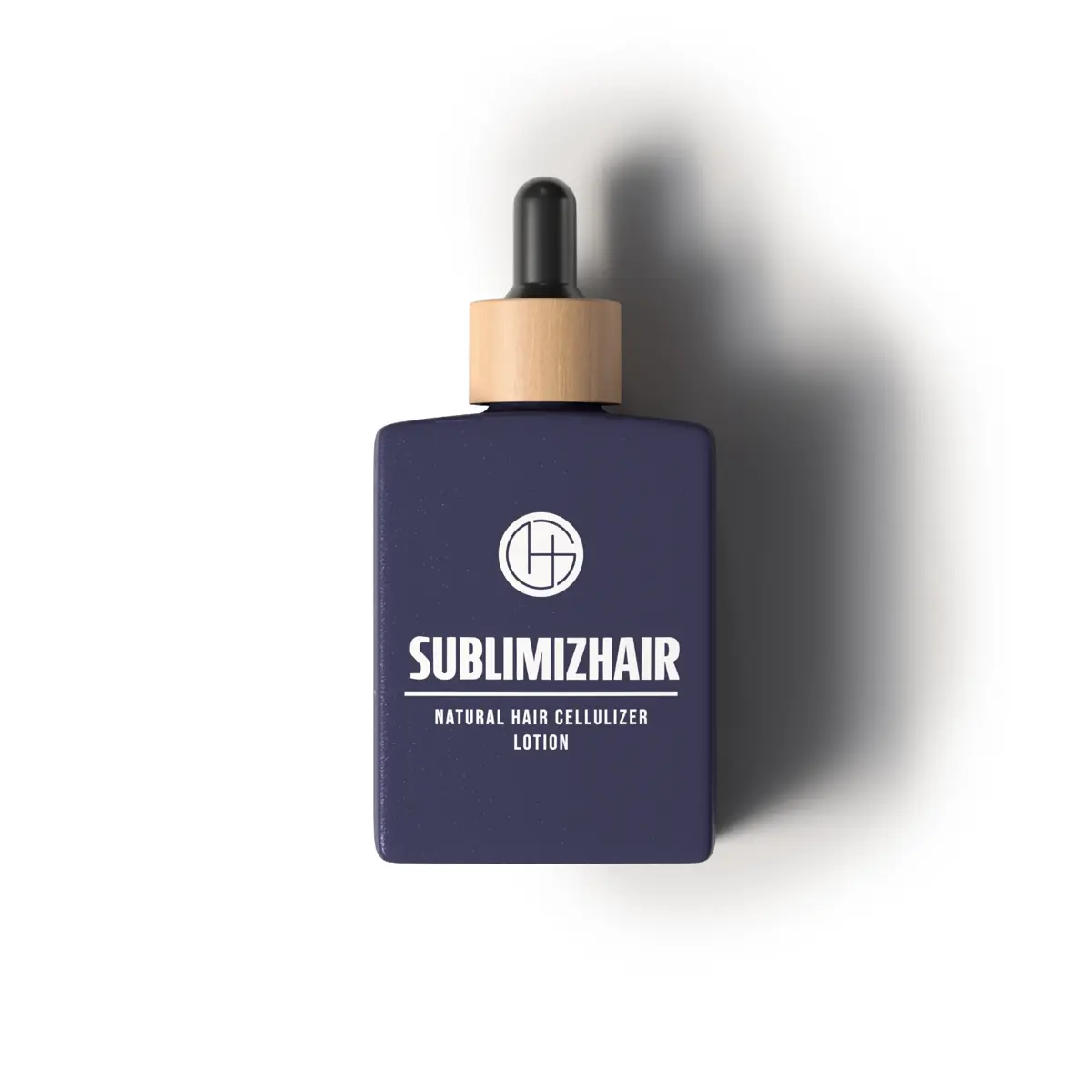
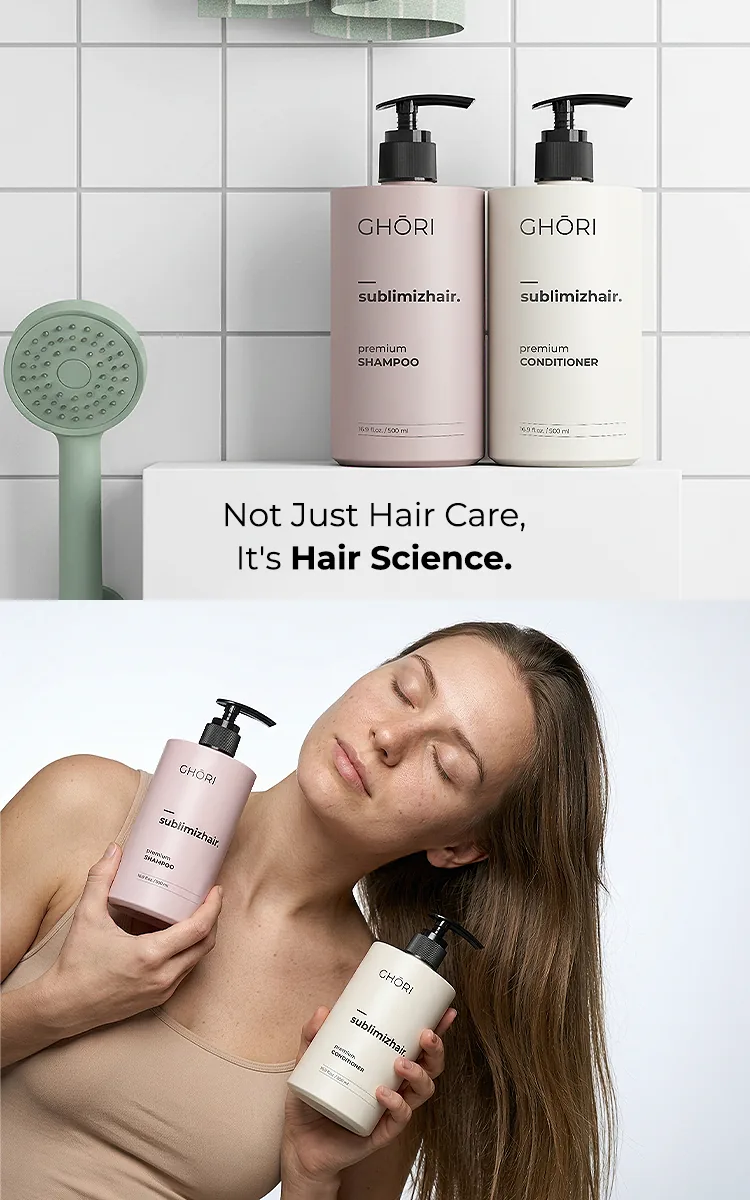
Hair Care
Ghori Sublimizhair Hair Serum
Weightless shine. Fortified strands.
Shop →
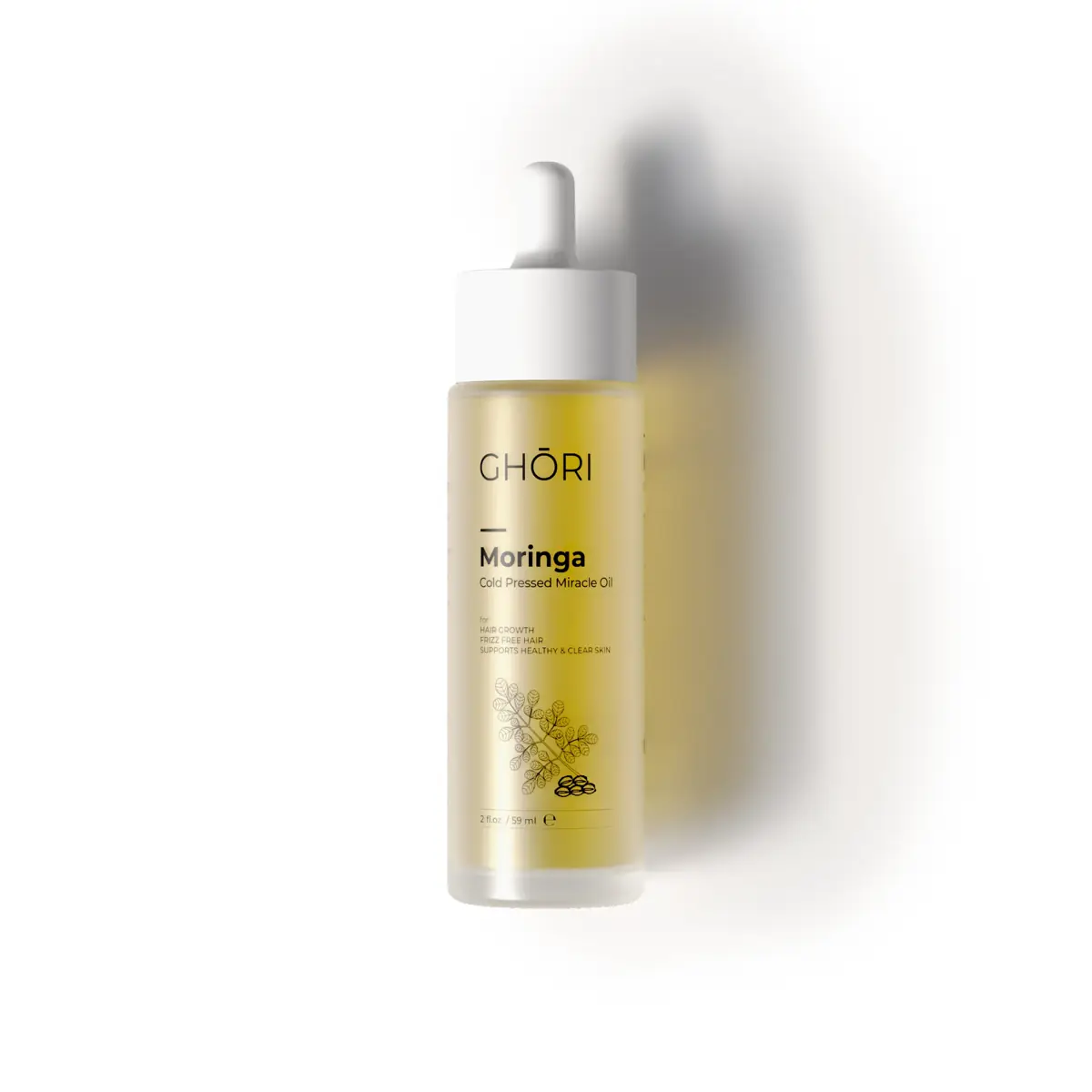
Hair Care
GHORI Moringa Frizz Control Miracle Oil 60 Ml
Moringa-powered frizz control.
Shop →
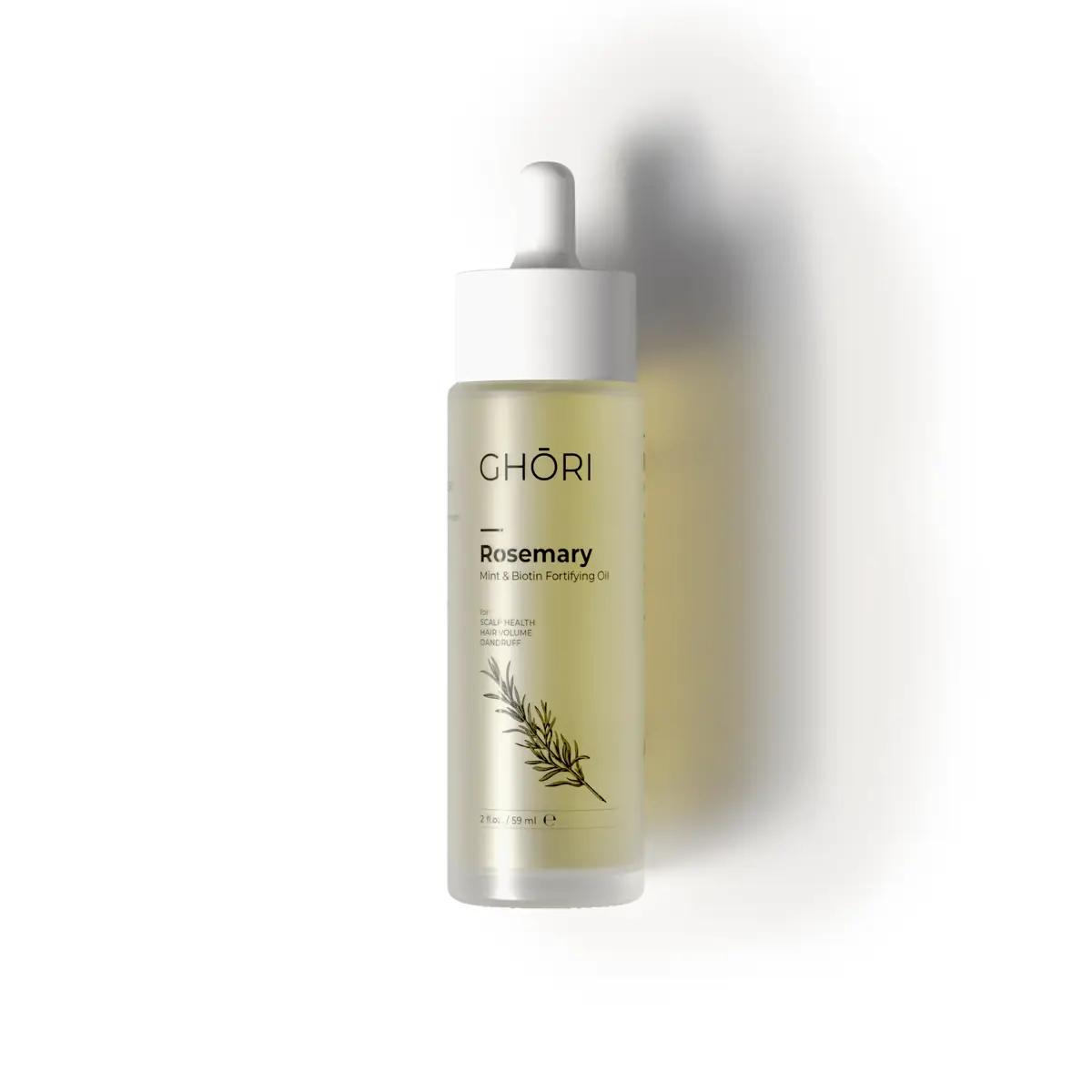
Hair Care
Ghori Rosemary & Biotin Hair Oil with Mint
Growth stimulation, follicle revival and lightweight head-to-toe hydration.
Shop →
People often ask.
Natural vs synthetic Vitamin E?
Natural (d-α-tocopherol) is about twice as bio-active as synthetic (dl-α-tocopherol) — we use natural only.
Can Vitamin E fix already-damaged hair?
No antioxidant can rebuild broken bonds — but it stops further oxidative damage from accumulating.
The paper trail.
- [01]Beoy LA, et al. Trop Life Sci Res. 2010 — Effects of tocotrienol supplementation on hair growth.
More in Vitamin
Continue the dossier.
- 🇧🇪Strand fortification
Biotin
Vitamin B7 · D-biotin
The keratin cofactor every fragile strand quietly runs out of.
- 🇩🇪Humectant repair
Panthenol (Provitamin B5)
D-Panthenol · Provitamin B5
The molecule that turns into Vitamin B5 the moment it hits your hair.
- 🇯🇵Follicle energy
Niacinamide (Vitamin B3)
Nicotinamide · Vitamin B3
The NAD+ precursor that fuels the metabolically hungry follicle.