
Chrysanthemum Extract
Chrysanthemum indicum
Korean apothecary botanical that cools inflamed follicles.
Region
Jeju Island, South Korea
Form
Water/glycerin extract
Shelf
18 months refrigerated
Class
Herbal extract
Key finding
12+
Documented flavonoids identified in Jeju-grown Chrysanthemum indicum
The brief.
Origin
Hand-harvested from the volcanic slopes of Hallasan mountain on Jeju Island. The mineral-rich basalt soil and coastal fog produce a flavonoid profile that lab-cultivated batches cannot match.
Extraction
Water and glycerin dual-phase extraction preserves both hydrophilic flavonoids (linarin, apigenin) and lipophilic sesquiterpenes responsible for anti-inflammatory activity.
Sustainability
Jeju harvest is regulated by the island's conservation council. Our supplier belongs to a 4-farm cooperative that uses no herbicides and hand-weeds every plot.
How it works.
Chrysanthemum's linarin and apigenin down-regulate inflammatory cytokines (IL-6, TNF-α) at the follicle. That means less redness, less itch, and a scalp environment where hair can grow uninterrupted by inflammation-triggered shedding.
Delivers
- 01Calms sensitised, itchy, or reactive scalps
- 02Regulates sebum without stripping the acid mantle
- 03Antioxidant flavonoids protect follicles from oxidative stress
- 04Rooted in Korean traditional hair medicine
Molecular signature.
The bio-active constituents that make Chrysanthemum Extract work — with standardised percentages where measured by HPLC.
- 01
Linarin
Flavonoid that inhibits pro-inflammatory NF-κB signalling in follicle tissue.
- 02
Apigenin
Down-regulates IL-6 and TNF-α — the cytokines behind scalp redness.
- 03
Chlorogenic Acid
Antioxidant polyphenol that protects the follicle from oxidative stress.
Signal profile.
Six-axis assay
A living profile — the vectors that make Chrysanthemum Extract.
- Evidence52
1 peer-reviewed source
- Potency20
Standardised at 12+
- Safety92
Broad tolerance
- Heritage78
Documented across 3 traditions
- Sensory76
Herbal extract profile
- Sourcing92
Traceable provenance
Heritage.
The record
Documented in the Chinese Materia Medica (Shen Nong Ben Cao Jing, 2nd century BCE) as one of the 'superior herbs' for longevity. Reached Korea via the Silla dynasty (7th century) and was adopted into royal beauty regimens.
Traditional use
Korean royal-court hair rinse; Chinese chrysanthemum tea (still consumed daily); Vietnamese scalp poultice for post-partum inflammation.
Naturally found in
- Native to East Asia (China, Korea, Japan)
- Jeju Island wild variety is the most flavonoid-dense
- Related to the ornamental garden mum (Chrysanthemum × morifolium)
Field → phial.
Every gram of Chrysanthemum Extract passes five gates before it enters a Ghori formula. No shortcuts, no re-labels — the paper trail runs from soil to seal.
- 𖤣01
Stage 01
Harvest
Hand-harvested from the volcanic slopes of Hallasan mountain on Jeju Island. The mineral-rich basalt soil and coastal fog produce a flavonoid profile that lab-cultivated batches cannot match.
- ❋02
Stage 02
Extract
Water and glycerin dual-phase extraction preserves both hydrophilic flavonoids (linarin, apigenin) and lipophilic sesquiterpenes responsible for anti-inflammatory activity.
- ◇03
Stage 03
Assay
HPLC-verified. 12+ standardised for documented flavonoids identified in jeju-grown chrysanthemum indicum.
- ◉04
Stage 04
Formulate
1%–3% in scalp shampoos and toners.
- ⌘05
Stage 05
Deliver
Stable 18 months refrigerated. Sealed under nitrogen where required.
Best for. Pairs with.
Best for
- ◆Reactive scalps after colour, bleach, or chemical services
- ◆Itchy scalps that flake even without dandruff
- ◆Sensitive skin types looking for a gentle daily cleanser
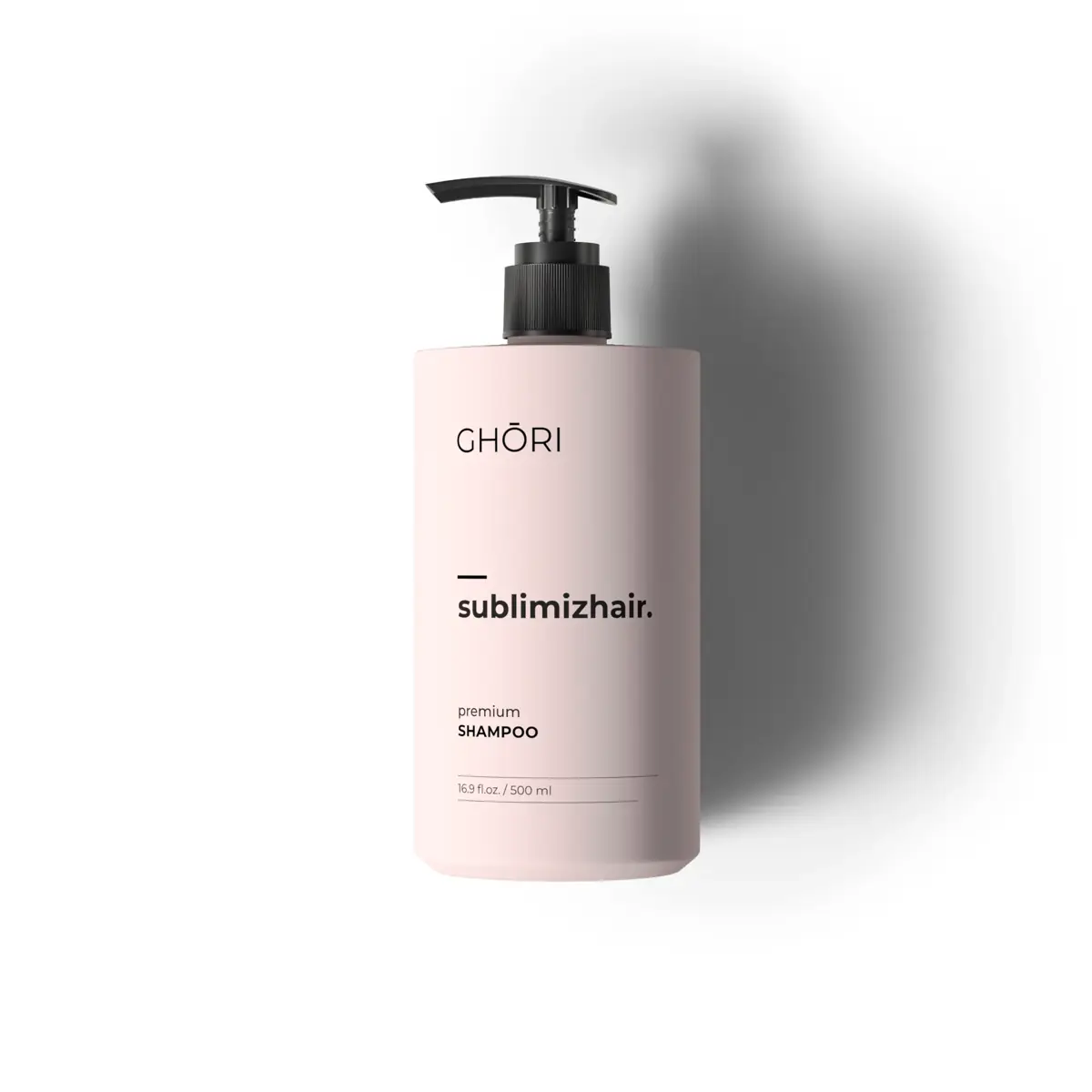
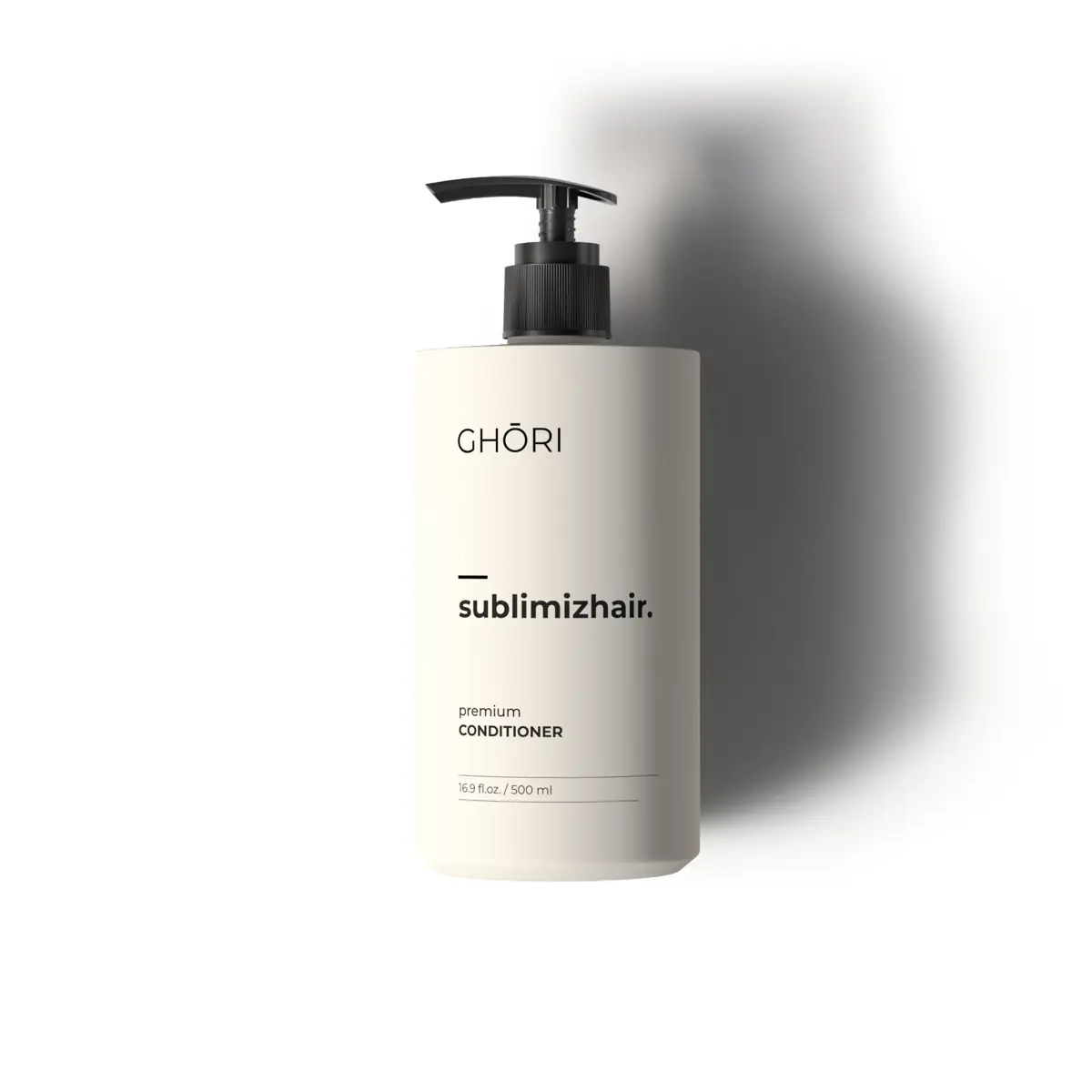
Pairs well with
People often ask.
Is chrysanthemum safe daily?
Yes — it's one of the gentlest scalp botanicals in the Korean apothecary tradition.
The paper trail.
- [01]Kim HJ, et al. J Ethnopharmacol. 2010 — Anti-inflammatory activity of Chrysanthemum indicum extract.
More in Herbal extract